
Jul
02
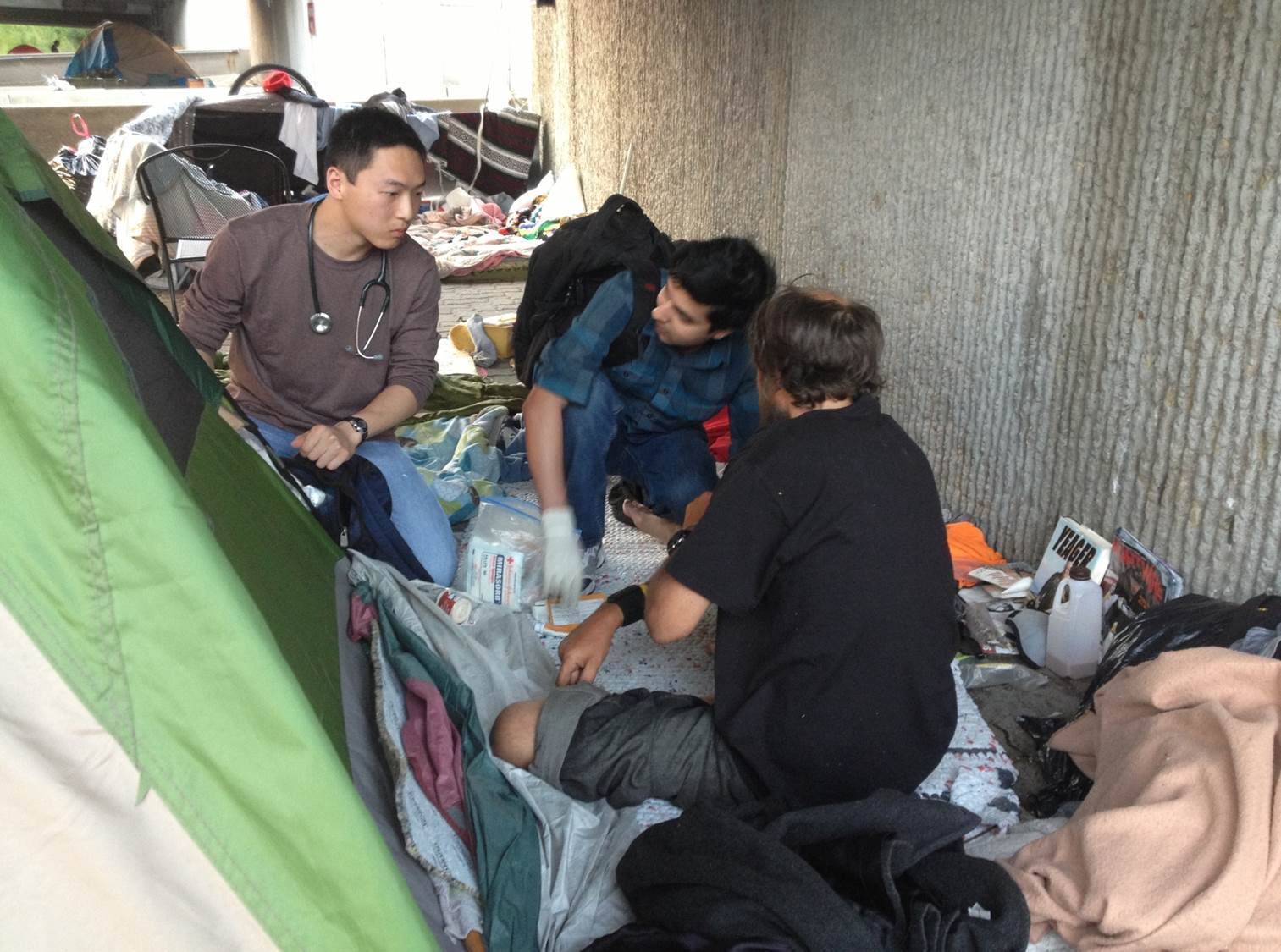
 Melissa Moore is the Founder and Executive Director of RISE (Rising Into Self-Empowerment), a lived-experience–led nonprofit dedicated to transforming systemic responses to homelessness through outreach, advocacy, healthcare navigation, and structural reform. Drawing on her own experience of seven years of homelessness, she has emerged as a leading advocate for a more humane, rights-centered approach to care and service delivery.
 This past June 30
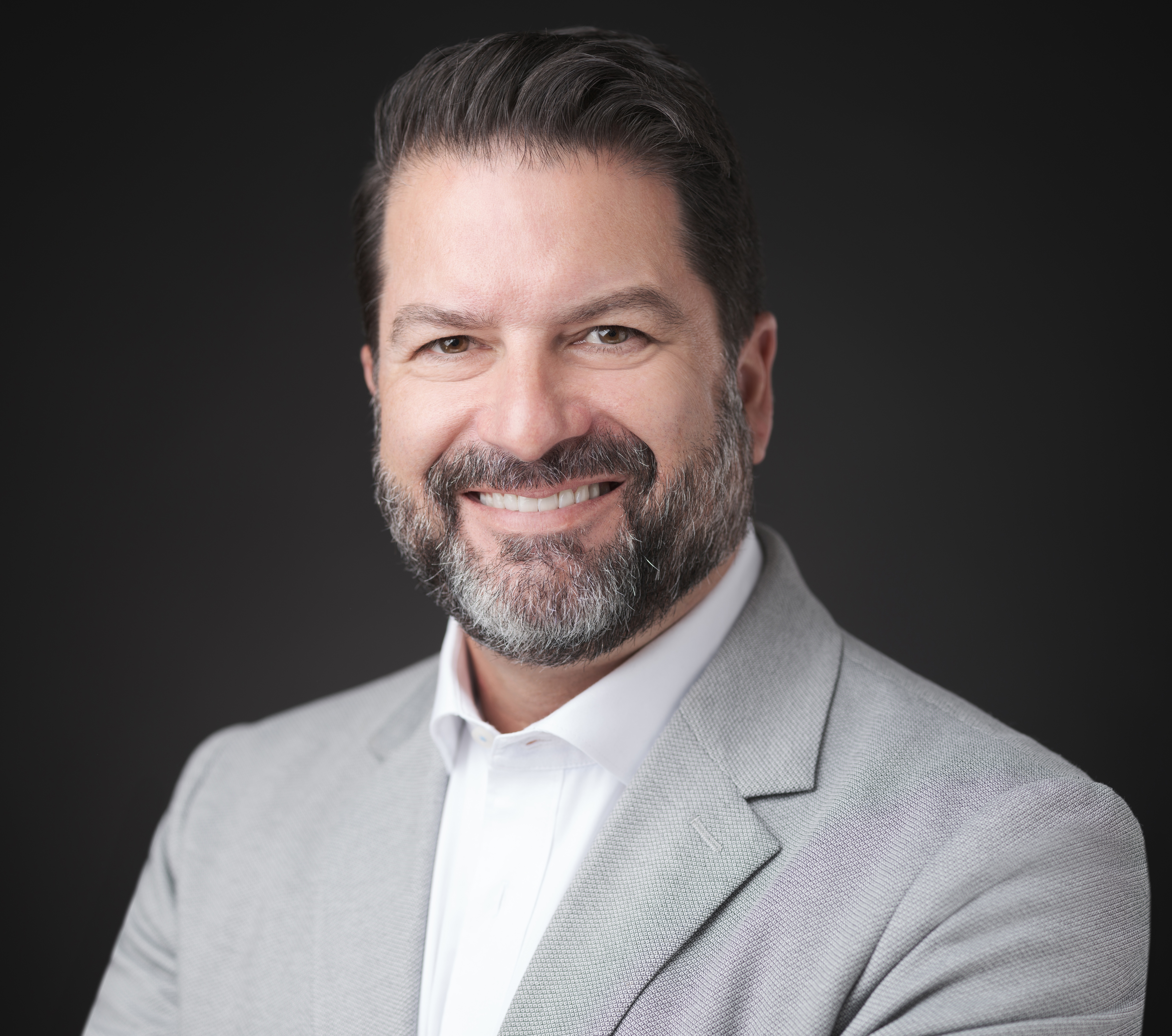 Jeff Olivet is an internationally recognized leader in public health and homelessness policy, with a deep focus on the intersection of housing, healthcare, and racial equity. As the executive director of the U.S. Interagency Council on Homelessness (USICH) from 2022-2024, he led federal efforts to address homelessness as a public health crisis, advocating for policies that integrate healthcare and housing solutions and that prevent homelessness before it starts. He currently serves as Senior Advisor to the
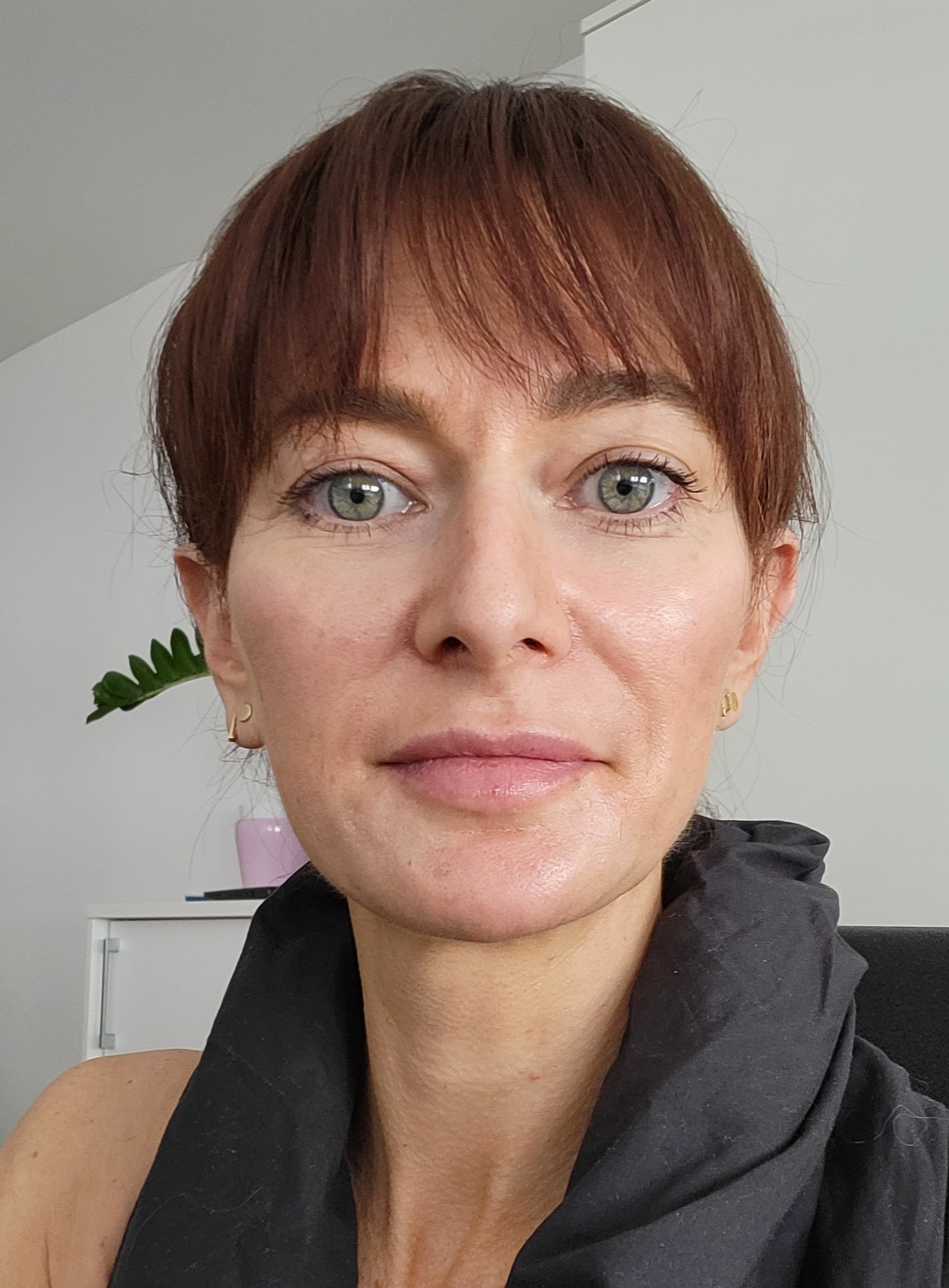
 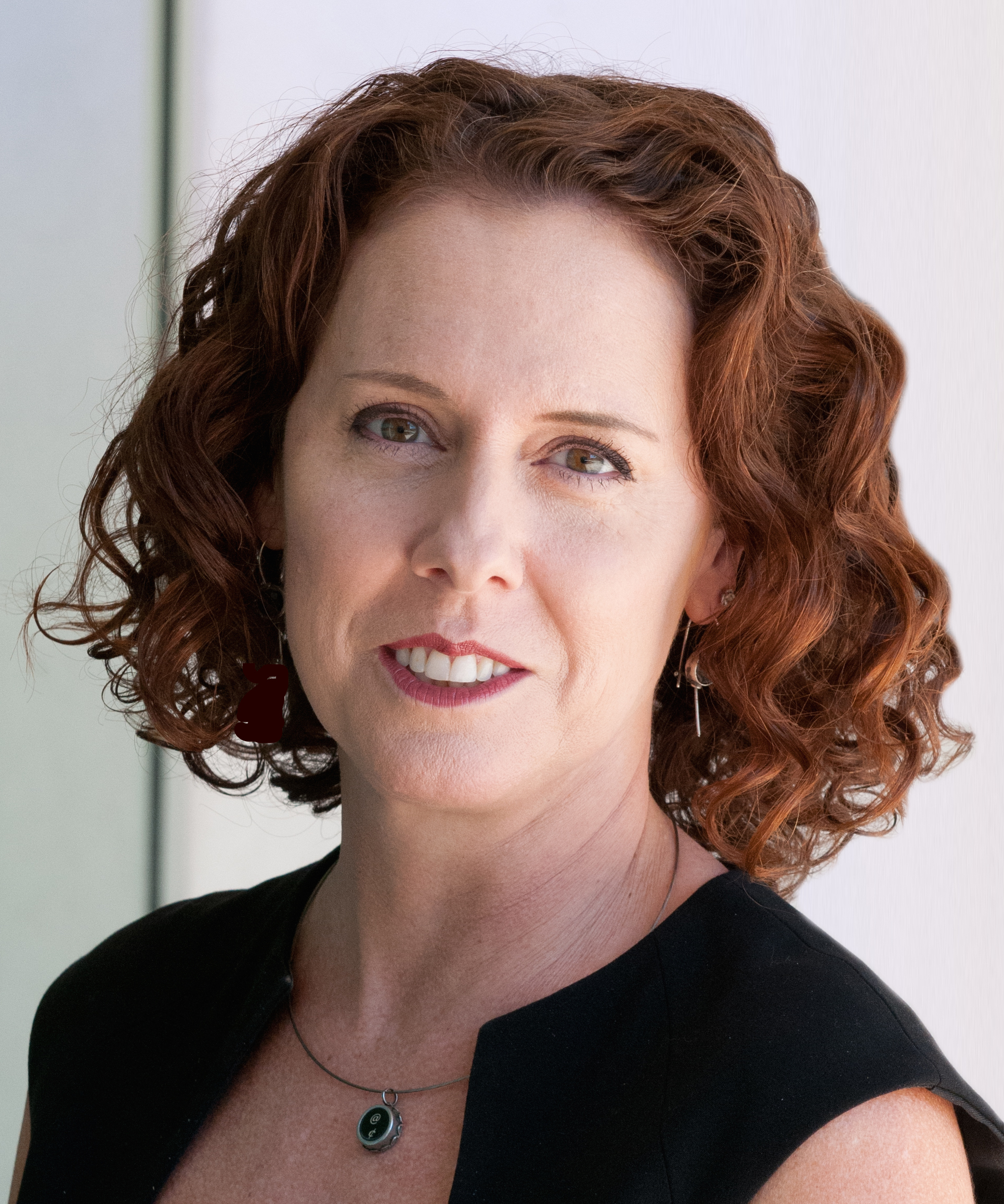 Kendall brings a wide range of executive leadership experience in social services, higher education, and cultural preservation. She began her career directing a shelter program and, since that time, has devoted her efforts to outreach services. Over her career, she has launched numerous programs to reduce barriers, increase inclusiveness, and bring dignity, hope, and support to the places where people need it the most. She has significant experience partnering with the medical community, including working in emergency departments, chairing several regional medical coalitions, and training medical professionals through the American College of Physicians, state medical associations, hospitals, medical schools, offices, and clinics.
  Steph
Steph
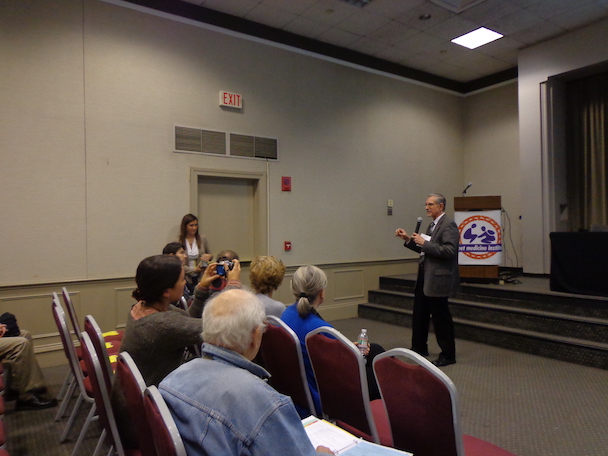 It is with deep sadness the SMI Board of Directors mourns the loss of our colleague and friend, Dr. David Deci. It remains shocking to be thinking of Dave retrospectively - I still find myself wishing to discuss some nuanced matter with him or looking forward to seeing his face on the next zoom call and hearing about his post-retirement life in New England. We invite the SMI community to share your memories and reflections of Dave. These will remain as a memorial to him and to his tireless work for the unsheltered homeless.
 (April 2023) It is with great sadness that we inform the Street Medicine Institute community of the passing of our esteemed colleague, Dr. Dave Deci. Dr. Deci was a dedicated board member who brought passion and commitment to his work, always striving to improve the lives of those experiencing homelessness through street medicine. His contributions to the Street Medicine Institute were immeasurable, and he will be deeply missed. We extend our heartfelt condolences to Dr. Deci’s family and friends during this difficult time. The Street Medicine Institute will honor Dr. Deci’s legacy by continuing to carry out our mission with the same level of dedication and compassion that he embodied.